Flower Bed Creation in Redbridge: Stylish, Practical, and Built to Thrive
Flower bed creation in Redbridge is one of the most effective ways to transform outdoor spaces into attractive, welcoming, and functional areas. Whether you own a compact front garden, a spacious back lawn, or a commercial property that needs more visual appeal, a thoughtfully designed flower bed can make a remarkable difference. With the right planting choices, soil preparation, edging, and maintenance plan, flower bed creation in Redbridge can improve curb appeal, support local biodiversity, and add year-round structure to any landscape.
Many homeowners in the area want gardens that feel polished without becoming difficult to manage. That is where smart flower bed creation comes in. Instead of random planting or overcrowded borders, a well-planned bed brings together colour, texture, shape, and seasonal interest. It can also be tailored to Redbridge’s urban environment, soil conditions, and weather patterns. From elegant cottage-style borders to modern low-maintenance schemes, the possibilities are wide open.
In this article, we’ll explore how flower bed creation in Redbridge works, what design decisions matter most, and how to create beds that stay healthy and attractive throughout the year. If you are planning a fresh garden makeover, looking to improve a tired border, or simply want ideas for a more vibrant landscape, you’ll find practical inspiration here.
Why Flower Bed Creation Matters in Redbridge

Flower bed creation in Redbridge is not just about adding pretty plants. It is about creating a balanced outdoor space that complements the property, supports plant health, and adds lasting value. In a busy London borough, outdoor spaces often need to work harder than in rural settings. Gardens may be smaller, more shaded, or surrounded by walls and fences. As a result, each planting decision needs to be purposeful.
A successful flower bed can soften hard landscaping, define pathways, and create a natural focal point. It can also help reduce the harsh appearance of paved areas and bring a sense of calm to urban surroundings. When designed well, flower bed creation in Redbridge can turn even a modest space into something memorable. For many property owners, this is one of the simplest ways to boost exterior beauty without taking on a full garden redesign.
There is also a practical side to flower bed creation. Plants can help support pollinators, improve soil structure, and reduce the amount of bare ground in a garden. In addition, a carefully layered border can be easier to care for than a patchwork of scattered containers. With the right layout, flower bed creation becomes both an aesthetic upgrade and a smart long-term investment.
Planning a Flower Bed That Suits Your Space

Every successful flower bed creation project in Redbridge begins with planning. Before any digging starts, it is important to look at the space and think about how it is used. Is the bed intended to frame a front entrance, fill an empty boundary, or bring colour to a patio edge? The purpose of the bed will shape its design, plant selection, and maintenance needs.
Start by observing sunlight, shade, and moisture levels across the area. Some parts of Redbridge gardens receive full sun for most of the day, while others may be shaded by buildings or mature trees. Sun exposure is one of the most important factors in flower bed creation, because it determines which plants will actually thrive. For example, sun-loving perennials will struggle in deep shade, while woodland-style plants may suffer in hot, exposed spots.
It is also wise to measure the available space and decide how much of it should be occupied by planting. In smaller gardens, raised edges or narrow borders can be especially effective. In larger properties, sweeping mixed beds or layered perimeter planting may be better suited. The aim is to create a flower bed in Redbridge that feels intentional rather than crowded.
Questions to Ask Before You Start
- How much sun does the area receive during the day?
- Is the soil sandy, clay-heavy, compacted, or rich and loamy?
- Will the bed be viewed from one side or several angles?
- Do you want a formal, natural, modern, or cottage-style look?
- How much time can you realistically spend on maintenance?
Soil Preparation: The Foundation of Healthy Flower Beds

Good soil preparation is at the heart of effective flower bed creation in Redbridge. Even the best plants will struggle if the soil is compacted, poorly drained, or lacking in nutrients. This is why preparation should never be rushed. Healthy soil supports healthy roots, and healthy roots support stronger, longer-lasting blooms.
Begin by clearing the area of weeds, debris, roots, and old materials. Then assess the soil texture. Many gardens in urban areas benefit from the addition of organic matter such as compost, leaf mould, or well-rotted manure. These additions help improve drainage in heavier soils and increase moisture retention in lighter ones. Improving the soil before planting can save time and money later, because plants will settle more quickly and require less corrective care.
If the soil is very compacted, aeration may be needed. This can be done by loosening the ground with a fork or using a more thorough cultivation approach where necessary. Drainage should also be checked, particularly in areas where water tends to sit after rainfall. Flower bed creation in Redbridge should always take local conditions into account, because poorly drained beds can lead to root rot and weak growth.
Practical Soil-Improvement Steps
- Remove all weeds and perennial roots.
- Loosen compacted ground to improve aeration.
- Mix in organic compost to enrich the soil.
- Check drainage by observing how quickly water disappears after soaking.
- Level and shape the bed before planting begins.
Choosing Plants for Flower Bed Creation in Redbridge
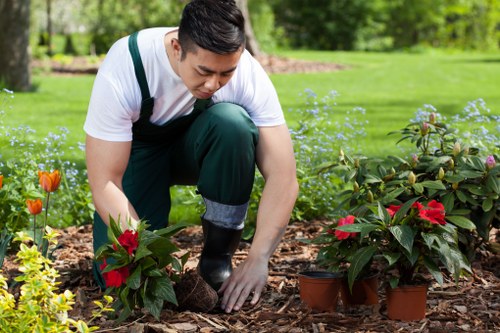
Plant selection can make or break a flower bed. When planning flower bed creation in Redbridge, it is smart to choose plants that suit the local climate, your soil, and the amount of care you are willing to provide. A good planting scheme often includes a mix of perennials, annuals, shrubs, grasses, and evergreen structure plants to create interest in every season.
For a low-maintenance flower bed, consider resilient and reliable species that tolerate typical urban conditions. Lavender, hardy geraniums, salvia, echinacea, helenium, and ornamental grasses are popular choices for many Redbridge gardens. If your space is partially shaded, ferns, heucheras, hostas, and spring bulbs can bring texture and colour without needing constant attention. For a more classic appearance, roses, foxgloves, delphiniums, and daisies can create a lush, layered effect.
Mixing plant heights, bloom times, and foliage textures is key to making flower bed creation look professional. Tall plants can anchor the back of a border, medium-height plants can build volume in the middle, and low-growing plants can soften the front edge. This layered approach creates depth and avoids the flat, unfinished look that many simple borders suffer from.
Examples of Planting Styles
- Formal beds: Symmetry, clipped shapes, and repeated colour blocks.
- Cottage-style beds: Dense planting, soft lines, and rich seasonal variation.
- Modern beds: Clean edges, sculptural plants, and restrained colour palettes.
- Wildlife-friendly beds: Nectar-rich plants, varied heights, and long flowering periods.
It is often best to choose a theme rather than planting whatever is available. A theme helps the whole design feel unified. Whether you want a bold, colourful display or a calm, understated palette, flower bed creation in Redbridge becomes more successful when the planting style matches the home and garden.
Design Ideas That Work Well in Redbridge Gardens
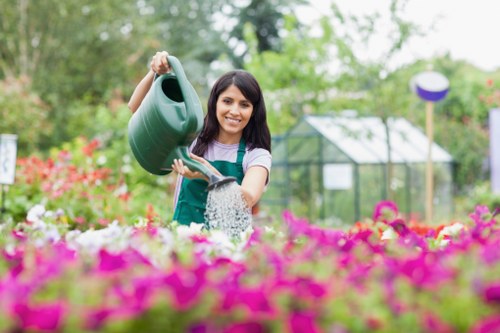
There are many ways to approach flower bed creation in Redbridge, and the best design depends on your goals. Some homeowners want a neat front border that boosts kerb appeal, while others want a more relaxed space for pollinators and seasonal colour. The good news is that flower beds can be adapted to all sorts of garden layouts.
One popular option is the curved border. Curves can make a small garden feel more spacious and add visual flow to straight-edged spaces. Another effective option is a layered boundary bed, where taller plants sit behind shorter ones to create a full, lush look. Raised beds are also a strong choice for areas with poor soil, limited drainage, or a need for cleaner definition. They can make flower bed creation in Redbridge easier to maintain and more visually structured.
In smaller spaces, narrow front-of-house borders or side return beds can be used to add colour without taking over the entire garden. In larger spaces, central island beds or perimeter planting can break up open lawns and add depth. The most successful designs usually combine practicality with visual impact. A beautiful bed should still allow enough room for access, mowing, and general garden use.
Creative Design Features
- Edging with brick, stone, or metal for a neat finish
- Repeating plant groups for a coordinated look
- Evergreen shrubs for structure in winter
- Seasonal bulbs for early spring colour
- Mulch to protect soil and suppress weeds
Using these details, flower bed creation in Redbridge can go beyond basic planting and become a polished part of the entire landscape. Even a small upgrade in border design can have a big impact on the way a home looks and feels.
Step-by-Step Flower Bed Creation Process
While every project is different, there is a general process that helps ensure strong results. Flower bed creation in Redbridge usually begins with layout marking, followed by ground preparation, planting, watering, and finishing touches. Taking a structured approach reduces mistakes and helps the bed establish more quickly.
First, mark the boundary of the bed using a hose, string line, or marking paint. This lets you review the shape before any digging begins. Once the outline is approved, remove turf or existing growth and prepare the soil. Add compost or other soil improvers as needed, then shape the bed to allow good drainage and a visually pleasing profile. Slightly raised centres or gently sloping edges can help water move away from plant roots.
Next, position the plants while they are still in containers. This allows you to adjust spacing, balance colours, and check how the layout looks from different angles. When you are happy, plant at the correct depth and water thoroughly. Apply mulch around the plants, leaving a small gap around stems to reduce moisture problems. Finally, step back and check the composition from various viewpoints to make sure the finished flower bed feels balanced.
Important Finishing Steps
- Water newly planted beds deeply.
- Add mulch to retain moisture and reduce weed growth.
- Install edging for a neat boundary.
- Label plants if you are managing many varieties.
- Set a follow-up schedule for watering and maintenance.
Maintaining Your Flower Beds for Long-Term Success
Flower bed creation in Redbridge does not end when planting is complete. Ongoing maintenance keeps the bed attractive and healthy. The amount of work required will depend on the style of planting you choose, but all beds benefit from a regular care routine. Without some maintenance, even the best designs can become overgrown, patchy, or weed-ridden.
New beds need consistent watering during the establishment period, especially in warm or dry weather. Once roots settle, many plants become more resilient, but they still need attention during prolonged dry spells. Weeding is also important because young plants do not compete well with aggressive unwanted growth. Regular deadheading, trimming, and seasonal cutting back help keep the bed tidy and encourage more flowers.
In addition to routine tasks, it is useful to review the bed each season. Some plants may need dividing, replacing, or repositioning as they mature. Others may spread more than expected and require thinning. This is normal and part of successful flower bed creation in Redbridge. The goal is to let the bed evolve while preserving its original design intent.
Seasonal Maintenance Checklist
- Spring: Clear debris, feed soil, and plant summer annuals.
- Summer: Water regularly and deadhead faded blooms.
- Autumn: Cut back perennials and add fresh mulch.
- Winter: Protect vulnerable plants and preserve structure with evergreens.
Low-Maintenance Flower Bed Ideas for Busy Homeowners
Not every property owner has time for intensive gardening, and that is perfectly fine. Flower bed creation in Redbridge can still be beautiful and effective with a low-maintenance approach. The key is to choose plants and materials that reduce unnecessary work while keeping the space attractive across the seasons.
Low-maintenance beds often rely on hardy perennials, evergreen plants, bark mulch, and simple edging. Drought-tolerant options can also be helpful in sunny spots. Plants such as sedum, lavender, nepeta, heuchera, and decorative grasses are known for offering good visual impact with relatively little fuss. A bed with a strong structural backbone will look smart even when some plants are not in peak bloom.
Mulching is especially useful for reducing maintenance because it suppresses weeds and helps the soil hold moisture. Automated irrigation can also be beneficial in larger spaces or during dry periods. If you want a garden feature that looks impressive without demanding constant attention, flower bed creation in Redbridge can be designed with convenience in mind.
Low-Maintenance Benefits
- Less watering once established
- Reduced weed growth with proper mulch
- Fewer plant replacements over time
- Cleaner, more reliable appearance
Adding Seasonal Interest and Year-Round Appeal
A great flower bed should not look good for only a few weeks of the year. One of the smartest approaches to flower bed creation in Redbridge is to plan for changing interest through spring, summer, autumn, and winter. This means combining plants that flower at different times and including foliage that remains attractive even after the blooms fade.
Spring bulbs such as tulips, daffodils, and crocuses can bring early colour after winter. Summer-flowering perennials provide energy and richness during the warmer months. Autumn interest can come from late-blooming plants, seed heads, and grasses that catch low sunlight beautifully. In winter, evergreen shrubs, architectural stems, and hardy structure plants help the bed remain visually appealing.
This layered, seasonal approach is one of the reasons flower bed creation in Redbridge can feel so rewarding. Instead of a short-lived burst of colour, you get a living display that changes over time. It keeps the garden interesting and ensures the investment continues to deliver value throughout the year.
Ways to Extend Seasonal Appeal
- Use a mix of early, mid, and late flowering plants.
- Include evergreens for year-round structure.
- Choose plants with interesting seed heads or foliage.
- Repeat key colours to create continuity between seasons.
- Refresh annuals to fill gaps and extend colour displays.
Flower Bed Creation for Front Gardens, Back Gardens, and Commercial Spaces
Flower bed creation in Redbridge can be adapted to many settings. Front gardens often need neatness, clear structure, and immediate curb appeal. Back gardens may allow for more expressive planting, relaxed borders, or wildlife-friendly features. Commercial properties, meanwhile, usually benefit from tidy, durable planting that looks professional with minimal upkeep.
For front gardens, strong edging and a limited colour palette often work best. This creates a refined first impression without appearing cluttered. In back gardens, you may have more freedom to experiment with height, fragrance, and seasonal contrast. For commercial sites, practical planting that stays neat is usually the priority. In all cases, flower bed creation should reflect the purpose of the space and the amount of maintenance that can realistically be provided.
Wherever the bed is located, thoughtful design matters. The most effective flower bed creation in Redbridge combines visual style with usability. It should look attractive, suit the site conditions, and support easy care over time.
Why Professional Help Can Make a Difference
Some people enjoy tackling garden projects themselves, while others prefer expert support. Professional flower bed creation in Redbridge can be especially valuable if the space has drainage issues, uneven ground, poor soil, or a complicated layout. Experienced landscapers can assess conditions quickly and recommend a planting design that fits the site and the homeowner’s goals.
A professional approach can also save time and reduce costly mistakes. If you select the wrong plants for the light conditions, the bed may struggle from the beginning. If you skip soil improvement, the bed may underperform for years. If the layout is poorly spaced, the plants may become crowded and difficult to maintain. By contrast, a planned and well-executed project can produce results that last much longer and need less correction.
If you are considering an upgrade, now is the time to think about how flower bed creation in Redbridge could improve your property. Contact us today to discuss ideas, and book your service now if you want a beautiful outdoor feature that is tailored to your space. The right approach can transform an empty patch into a standout garden highlight.
What a Well-Planned Bed Can Deliver
- Better curb appeal
- Improved plant health
- Longer flowering seasons
- Lower ongoing maintenance
- A more welcoming outdoor environment
Ultimately, flower bed creation in Redbridge is about more than adding plants. It is about designing a space that fits the home, thrives in local conditions, and remains attractive over time. Whether your goal is elegance, low maintenance, biodiversity, or all three, a carefully designed flower bed can deliver lasting value.

